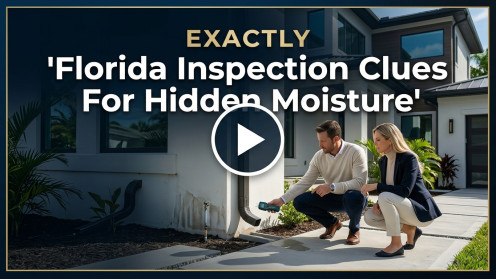
In Florida, our unique blend of sandy soils, clay pockets, humidity, and a hurricane-prone climate puts homes to the test—especially when it comes to hidden moisture and drainage concerns. I always recommend taking a close look at moisture readings during inspections and paying attention to yard slope, gutter placement, and any exterior wall stains. Water pooling near the foundation can be the first sign of major repairs on the horizon. Be on the lookout for subtle warning signs: musty smells, slight warping, stains near the lower walls, new cosmetic touch-ups, sections of replacement flooring, or that telltale white residue on concrete—each can point to moisture issues that haven’t been fully resolved. Before installing new floors, address all drainage, test and seal slabs, and consider moisture-resistant options like porcelain tile or high-quality luxury vinyl plank. If a property has experienced flooding, it’s important to thoroughly test subfloors and slabs, dry everything out, and document the process. Smart moisture upgrades not only protect your investment but also support resale value—a key advantage in Florida’s competitive property market. With my experience in MLS property sales, rentals, and new developments, I know just how vital these precautions can be for long-term peace of mind.
Leave a Reply